

| Category | Pterygium Surgery |
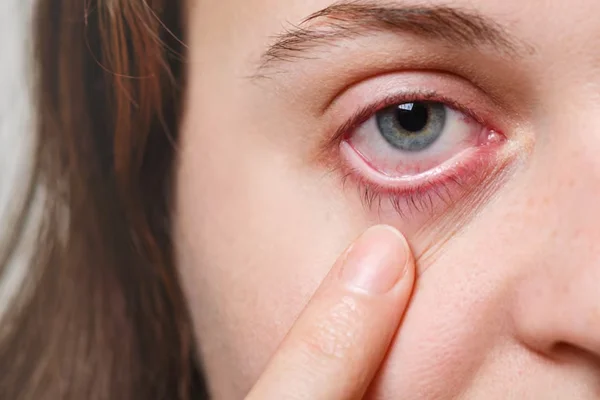
Pterygium is a common eye condition in which a wedge-shaped growth of tissue develops on the conjunctiva and may gradually extend toward the cornea. It is often associated with long-term exposure to ultraviolet (UV) light, dust, wind, and other environmental irritants. While a small pterygium may not significantly affect vision, a larger or progressive growth can cause irritation and visual disturbances.
When symptoms become persistent or the growth begins affecting the cornea or vision, pterygium surgery in Sector 2 Faridabad may be considered after an appropriate eye examination.
At Trinity Multispeciality Clinic, patients can discuss symptoms such as eye redness, irritation, watering, or changes in vision and receive guidance regarding evaluation and further treatment.
Pterygium is a benign growth of conjunctival tissue that can extend onto the cornea, the transparent front surface of the eye. It commonly appears as a raised or triangular area of tissue, usually on the side of the eye closest to the nose.
Small pterygia may remain stable for long periods. In some individuals, however, the growth may gradually become larger and more noticeable.
Pterygium is not usually cancerous, but it can cause discomfort and may interfere with vision if it progresses toward the central part of the cornea.
Depending on its size and location, pterygium may cause:
Some people may have a pterygium without experiencing significant symptoms.
The exact cause can vary, but prolonged exposure to environmental factors is considered an important contributor. Risk may be associated with:
Using appropriate UV-protective eyewear and reducing prolonged exposure to environmental irritants may help protect the eyes.
Not every pterygium requires surgery. If the growth is small and does not cause significant symptoms or affect vision, an eye-care professional may recommend observation and appropriate management of irritation.
Surgery may be considered when the pterygium:
The decision should be made after examining the eye and assessing the size, location, and progression of the growth.
Pterygium surgery involves removing the abnormal tissue from the surface of the eye. Depending on the surgical technique and individual circumstances, the surgeon may use conjunctival tissue from another area of the eye to cover the affected region.
The procedure is generally planned after a detailed examination of the eye. The specific technique used depends on the characteristics of the pterygium and the surgeon's assessment.
Patients should discuss the expected benefits, possible risks, recovery process, and recurrence possibility with their ophthalmologist before surgery.
For appropriately selected patients, surgery may help:
The outcome depends on factors such as the size of the pterygium, the condition of the cornea, and overall eye health.
Recovery varies depending on the individual and surgical technique. Some redness, irritation, watering, or mild discomfort may occur during the healing period.
After surgery, patients may be advised to:
Contact your doctor promptly if you experience severe pain, significant reduction in vision, increasing redness, or unusual discharge after surgery.
Pterygium can recur after surgical removal. The likelihood of recurrence depends on several factors, including the characteristics of the growth, surgical technique, and environmental exposure.
Protecting the eyes from excessive UV exposure and following post-operative care instructions may be helpful. Your ophthalmologist can provide personalised advice regarding recurrence prevention.
Trinity Multispeciality Clinic provides multispeciality healthcare services in Sector 2, Faridabad. Patients experiencing persistent eye redness, irritation, watering, or a visible growth on the eye can seek an appropriate evaluation.
If you are searching for pterygium surgery in Sector 2 Faridabad, a consultation can help determine whether the growth requires observation, medical management, or surgical treatment. Where specialised ophthalmic intervention is required, appropriate referral or further evaluation may also be recommended.
Pterygium is generally a benign growth. However, if it becomes large or progresses toward the centre of the cornea, it can cause discomfort, astigmatism, or visual disturbances and should be evaluated by an eye-care professional.
No. Small, stable pterygia without significant symptoms may only require monitoring and protective measures. Surgery is considered when the growth causes significant symptoms, affects vision, progresses, or creates other concerns.
Yes. A larger pterygium can alter the shape of the cornea and may cause astigmatism or blurred and distorted vision.
Yes. Recurrence is possible after surgery. The risk varies depending on individual and surgical factors.
Reducing excessive UV exposure by using suitable UV-protective sunglasses and a hat when outdoors can help protect the eyes. Avoiding unnecessary exposure to dust and wind may also reduce irritation.
Persistent redness, irritation, watering, a visible growth, discomfort, or changes in vision should be evaluated by an eye-care professional.
For pterygium surgery in Sector 2 Faridabad, you can consult Trinity Multispeciality Clinic for evaluation and appropriate treatment guidance.