


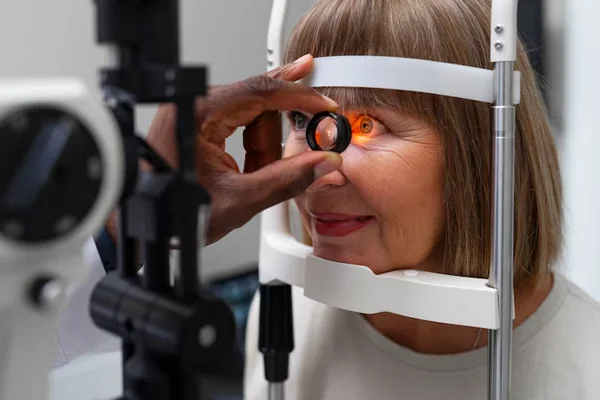
| Category | Glaucoma Management |
Glaucoma is a group of eye conditions that can damage the optic nerve, which plays an important role in sending visual information from the eye to the brain. The condition is often associated with increased pressure inside the eye, although glaucoma can also occur with normal eye pressure. If left untreated, glaucoma may lead to progressive and permanent vision loss.
Early evaluation and appropriate monitoring are therefore important. If you are looking for glaucoma management in Sector 2 Faridabad, Trinity Multispeciality Clinic can help you understand your symptoms, risk factors, and the need for further eye evaluation or specialist care.
Glaucoma refers to a group of eye diseases that can progressively affect the optic nerve. In many cases, the condition develops gradually and may not cause noticeable symptoms during its early stages.
Peripheral vision can be affected first, while central vision may remain relatively clear for a long time. This is one reason why regular eye examinations are important, particularly for people who have risk factors for glaucoma.
Glaucoma-related vision loss can be permanent, making timely diagnosis and ongoing management important.
Some forms of glaucoma may develop without obvious symptoms. However, depending on the type and stage, symptoms can include:
Sudden severe eye pain, significant blurred vision, redness, halos around lights, or nausea can indicate an eye emergency and require immediate medical attention.
Certain factors may increase the likelihood of developing glaucoma. These can include:
Having a risk factor does not necessarily mean that a person will develop glaucoma. Regular eye examinations can help identify changes and determine whether further evaluation is required.
A glaucoma evaluation may involve several components depending on the patient's symptoms and clinical requirements. These can include:
Intraocular pressure may be measured because elevated pressure can increase the risk of optic nerve damage.
The optic nerve may be examined for changes that could be associated with glaucoma.
A visual field test can help assess peripheral and central areas of vision and identify patterns of vision loss.
Depending on the findings, an ophthalmologist may recommend additional investigations to assess the optic nerve, retinal structures, drainage angle, or progression of the condition.
A combination of clinical findings and test results is used to understand the condition rather than relying on eye pressure alone.
The primary goal of glaucoma management is to protect the optic nerve and reduce the risk of further vision loss. Treatment depends on the type and severity of glaucoma, eye pressure, optic nerve condition, and individual patient factors.
Management may include:
Eye drops may be prescribed to reduce eye pressure or improve the drainage of fluid from the eye. They should be used exactly as directed.
Certain types of glaucoma may be managed with laser procedures. Whether laser treatment is appropriate depends on the type of glaucoma and the condition of the eye.
When medication or laser treatment is not sufficient, surgical options may be considered by an ophthalmologist.
Glaucoma management does not end after the initial diagnosis. Periodic examinations and appropriate testing help monitor eye pressure, optic nerve health, and visual function.
Glaucoma can progress slowly, and a person may not notice changes in vision until significant damage has occurred. Regular follow-up allows healthcare professionals to compare examination findings over time.
Patients diagnosed with glaucoma should follow their recommended appointment schedule and continue prescribed treatment unless their doctor advises otherwise.
If you experience difficulties using eye drops, side effects, or changes in vision, discuss them with your eye-care professional rather than stopping treatment independently.
Trinity Multispeciality Clinic provides multispeciality healthcare services in Sector 2, Faridabad. Patients experiencing vision changes or concerns related to glaucoma can seek an appropriate eye evaluation and receive guidance regarding further assessment and management.
If glaucoma is suspected or requires specialised treatment, the doctor may recommend additional investigations or referral to an ophthalmologist based on the clinical findings.
Early evaluation is particularly important for people with a family history of glaucoma or other known risk factors.
If you have been diagnosed with glaucoma, some practical steps can support your ongoing care:
Glaucoma is a group of eye conditions that can damage the optic nerve and cause permanent vision loss if not appropriately managed.
Yes. Many forms of glaucoma develop gradually and may not cause noticeable symptoms in the early stages. Regular eye examinations can help identify possible changes.
There is currently no simple cure that reverses established optic nerve damage. However, appropriate management can help control risk factors and reduce the likelihood of further damage.
No. High intraocular pressure is an important risk factor, but glaucoma involves damage or risk of damage to the optic nerve. Some people can develop glaucoma despite having eye pressure within the usual range.
Depending on the type and severity, management may involve prescription eye drops, laser treatment, surgery, and regular monitoring.
If glaucoma is untreated or poorly controlled, progressive optic nerve damage can result in severe and permanent vision loss. Early diagnosis and appropriate management can help reduce this risk.
For glaucoma management in Sector 2 Faridabad, you can consult Trinity Multispeciality Clinic for evaluation and guidance regarding appropriate eye care and further specialist assessment when required.